Introduction
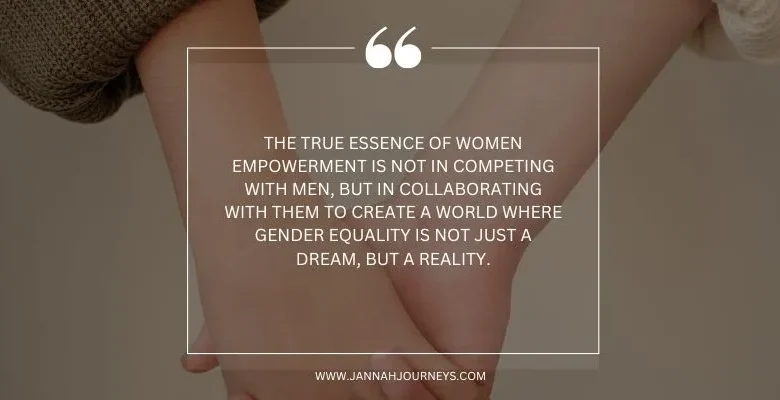
Empowering women is more than a trending phrase—it’s a fundamental element of a just, balanced, and progressive world. It refers to the process of increasing the social, economic, political, and legal strength of women, ensuring they have equal rights, opportunities, and access to resources. Empowered women are not only able to contribute meaningfully to their families and communities, but they also become active participants in nation-building.
Despite significant progress in recent decades, many women across the globe still face challenges such as gender-based discrimination, lack of education, limited access to healthcare, and underrepresentation in decision-making roles. In response, global initiatives and local movements have risen to bridge the gender gap and support women in reaching their full potential.
This article explores the importance, challenges, and practical ways to promote Empowering Women, while celebrating the achievements and resilience of women worldwide.
The Importance of Empowering Women
1. Boosting Economic Growth
When women are empowered economically, they contribute significantly to the GDP of their countries. According to the World Bank, closing gender gaps in labor force participation could increase global GDP by over 20%. Women entrepreneurs, professionals, and laborers are crucial to sustaining local and global economies. Access to resources and opportunities enables them to build businesses, generate employment, and uplift their families.
2. Promoting Gender Equality
Empowerment plays a pivotal role in breaking traditional gender roles that confine women to limited spaces. It helps eliminate stereotypes and allows women to redefine their identity based on capability rather than societal expectations. When women are empowered, they are more likely to challenge injustices and fight for their rights, creating a ripple effect that benefits entire communities.
3. Improving Family and Community Well-Being
Educated and empowered women tend to prioritize the education and health of their children. Their decisions are often better informed, resulting in healthier families and communities. Research shows that maternal education is one of the most effective strategies to improve child survival and reduce poverty.
4. Fostering Peace and Stability
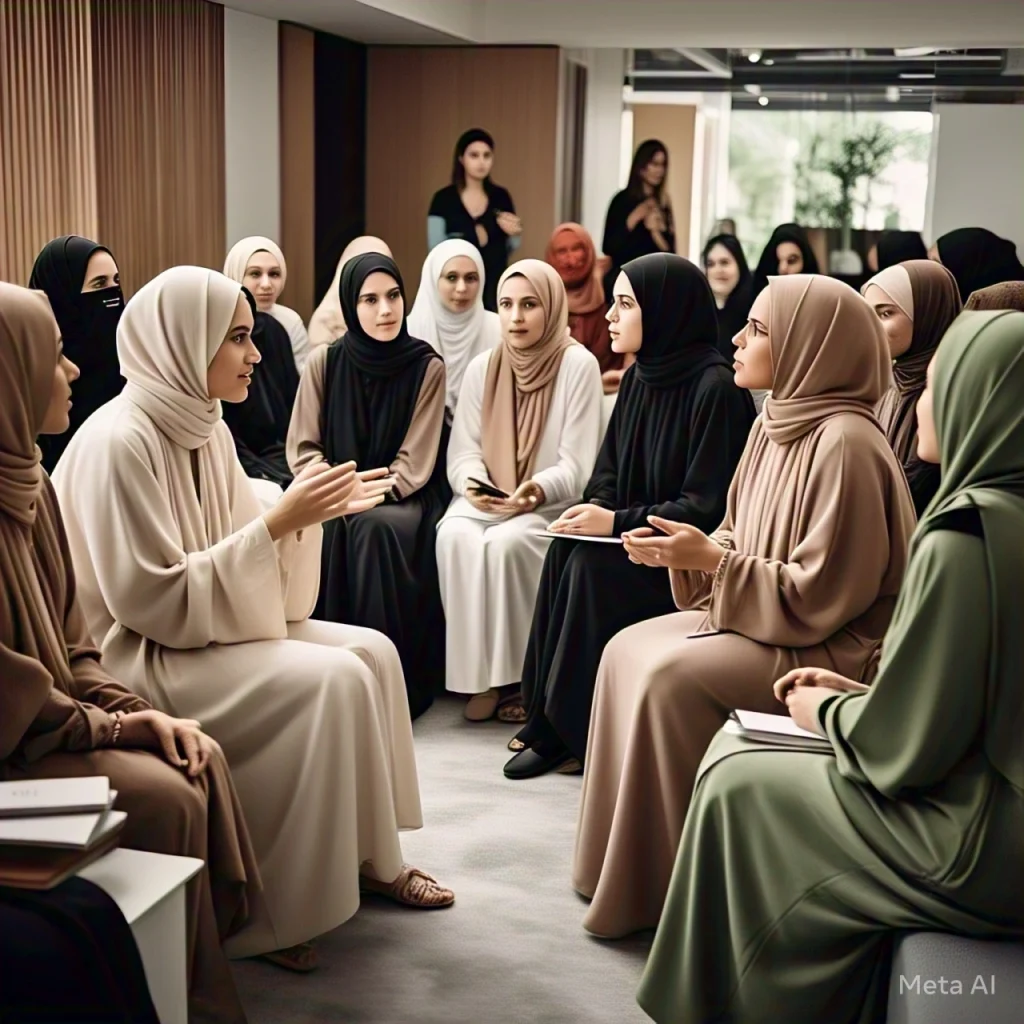
Empowering women plays a vital role in peace-building and conflict resolution. Their inclusion in decision-making processes and peace talks has proven to result in more sustainable and inclusive outcomes. Empowered women serve as mediators, educators, and advocates for change in societies torn by violence or division.
Historical Perspective: A Legacy of Struggle and Triumph
Throughout history, women have been leaders, warriors, artists, scientists, and thinkers. However, many of their stories have been overshadowed or erased. From the Suffragette movement in the early 20th century to modern feminist waves, the road to women’s empowerment has been paved with protests, sacrifices, and resilience.
Figures like Rosa Parks, who sparked the civil rights movement, Marie Curie, who broke barriers in science, and Malala Yousafzai, who continues to champion girls’ education, show how individual courage and activism can change the world.
In many traditional societies, including several in Asia, Africa, and the Middle East, women have long fought against cultural and legal limitations. Even in progressive nations, the struggle for equal pay, representation, and rights is ongoing.
Challenges to Women Empowerment
Despite strides forward, numerous barriers still hinder full empowerment:
1. Education Inequality
Millions of girls around the world still lack access to quality education due to poverty, early marriage, gender bias, or conflict. Without education, women have limited choices and opportunities.
2. Economic Dependence
In many regions, women are financially dependent on male family members, which limits their freedom and decision-making power. Unpaid care work, lack of property rights, and discrimination in hiring practices perpetuate this cycle.
3. Gender-Based Violence
Domestic abuse, sexual harassment, trafficking, and harmful cultural practices like female genital mutilation (FGM) continue to affect millions. Such violence not only endangers physical health but also damages mental well-being and limits personal growth.
4. Underrepresentation
Women remain underrepresented in leadership roles in politics, corporate boards, and academic institutions. This lack of representation leads to a lack of policies and initiatives that cater to women’s needs and rights.
5. Legal and Cultural Barriers
In some countries, women still face legal restrictions on owning property, driving, voting, or working in certain professions. Deeply entrenched cultural beliefs about gender roles also hinder progress.
Pillars of Women Empowerment
Empowering women requires a multi-dimensional approach. Here are key areas to focus on:
1. Education
Education is the foundation of empowerment. When girls are educated, they are more likely to earn better incomes, marry later, and raise healthier children. Governments and organizations must prioritize gender-inclusive education policies and address barriers that keep girls out of school.
2. Healthcare
Access to reproductive health services, maternal care, and mental health support is vital. Empowering women to make choices about their bodies improves their overall well-being and agency.
3. Economic Empowerment
Programs that teach financial literacy, provide micro-loans, promote female entrepreneurship, and encourage women’s participation in the workforce are crucial. Equal pay and workplace rights should be strictly enforced.
4. Legal Rights and Protection
Laws must be updated to protect women from violence, discrimination, and exploitation. Women should have equal property rights, inheritance laws, and protection under family law. Legal aid and awareness campaigns help women assert their rights.
5. Political Participation
Women must be active participants in decision-making at all levels. Quotas, leadership training, and mentorship programs can help bridge the gap and encourage more women to step into leadership roles.
6. Media and Representation
The way women are portrayed in media shapes public perception. Media should be used to challenge stereotypes and celebrate real, diverse, and powerful stories of women from all walks of life.
Religion and Empowerment: Women in Islam
Contrary to many misconceptions, Islam upholds the dignity and rights of women. Historically, Muslim women have been scholars, business leaders, warriors, and advisors. Khadijah (RA), the wife of the Prophet Muhammad (PBUH), was a successful entrepreneur and one of the first believers in Islam. Aisha (RA), another of his wives, was a renowned scholar and teacher.
Islam encourages the education of both men and women, protects women’s inheritance rights, and grants them autonomy in marriage, divorce, and financial matters. Unfortunately, cultural practices in some regions have overshadowed these teachings. Empowering women in Muslim communities requires a return to the original principles of justice, respect, and equality prescribed by the faith.
The Role of Men in Women Empowerment
Empowerment is not a battle of the sexes; it’s a partnership. Men play a vital role in promoting gender equality by:
- Challenging patriarchal norms and behaviors.
- Supporting women’s ambitions and choices.
- Sharing household responsibilities and child-rearing.
- Advocating for equal rights and respectful relationships.
Raising boys with values of empathy, respect, and equality is key to creating future generations that support empowered women.
Success Stories: Women Changing the World
- Dr. Jane Goodall, a pioneering primatologist, has changed the way we understand nature and conservation.
- Jacinda Ardern, former Prime Minister of New Zealand, led with empathy and strength, becoming a global symbol of effective leadership.
- Oprah Winfrey, a media mogul and philanthropist, rose from poverty to become one of the most influential women in the world.
Countless others, from grassroots activists to tech innovators, are redefining what it means to be a woman in the 21st century.
How We Can All Contribute
Every individual can play a role in empowering women. Here’s how:
- Educate yourself and others about gender issues.
- Support women-owned businesses and initiatives.
- Mentor young girls and encourage their dreams.
- Speak out against sexism, harassment, and inequality.
- Vote for policies and leaders that champion women’s rights.
- Celebrate achievements and create platforms for women to shine.
Conclusion
Women empowerment is not just a women’s issue—it’s a human rights issue, a societal issue, and an essential component of sustainable development. When women thrive, societies prosper. Empowering women leads to stronger economies, healthier communities, and a more just and peaceful world.
The journey toward true empowerment requires collective effort, education, and the dismantling of deep-rooted barriers. It demands respect for diversity, recognition of women’s contributions, and unwavering commitment to equality. Let us work together to ensure that every girl grows up knowing she is powerful, valuable, and free to choose her path.