

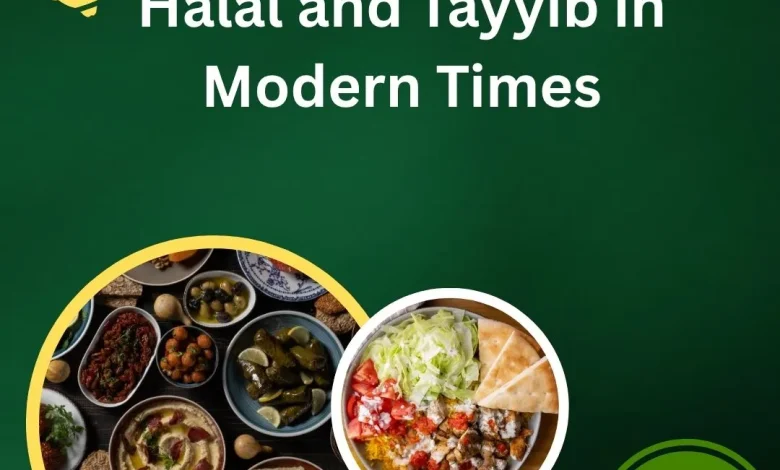
In today’s fast-paced, industrialized world, the question of what we consume goes far beyond taste and convenience. For Muslims, the importance of Halal and Tayyib in modern times is not just a matter of religious obligation—it represents a holistic approach to ethical, healthy, and conscious living. While many understand Halal as “permissible,” fewer are aware of the spiritual and practical significance of Tayyib, which means “pure, wholesome, and good.” As more consumers, Muslim and non-Muslim alike, seek transparency and ethical sourcing in what they eat, the importance of Halal and Tayyib in modern times has become increasingly relevant and meaningful.
Understanding these principles can lead to more mindful choices and a better quality of life for individuals and communities alike. Understanding the importance of Halal for Best Quranic Foods and its Tayyib qualities can lead to more mindful eating and a better quality of life.
Understanding Halal and Tayyib: More Than Just Permissible
Halal is often simplified to mean “allowed” in Islamic law, but the Quran repeatedly pairs it with the word Tayyib, urging believers to consume what is not just lawful but also pure and beneficial. Tayyib meaning in Islam refers to food that is not only free from Haram (prohibited) substances but is also clean, ethically sourced, and health-promoting. In this sense, importance of Halal and Tayyib are two sides of the same coin—a fusion of faith, ethics, and wellness.
The Prophet Muhammad (peace be upon him) emphasized the significance of eating Tayyib, urging Muslims to ensure that both what they eat and how it is sourced reflect Islamic values. This comprehensive view forms the foundation of a Halal lifestyle, where spiritual consciousness meets dietary discipline.
This distinction has led to growing consumer awareness and demand for food that is both Halal and wholesome. Companies are now responding by creating Tayyib products that meet ethical and health-based standards, such as organic Halal meat, cruelty-free dairy, and sustainably farmed produce. As such, Halal and Tayyib together form a powerful standard that extends beyond faith into the realm of clean eating in Islam.
The Ethics of Consumption: The Importance of Halal and Tayyib in Islam’s Timeless Guidance
Ethical consumption in Islam is not a new trend but a foundational element of the religion, grounded in the Quran and Sunnah. The Quran states, “Eat of what is lawful and wholesome on the earth” (2:168), reinforcing the dual requirement of Halal and Tayyib. This reflects a deep concern for not just legality, but the overall impact of food on the body and soul. As a result, Muslims are encouraged to investigate their food sources and support practices that align with Tayyib farming practices..
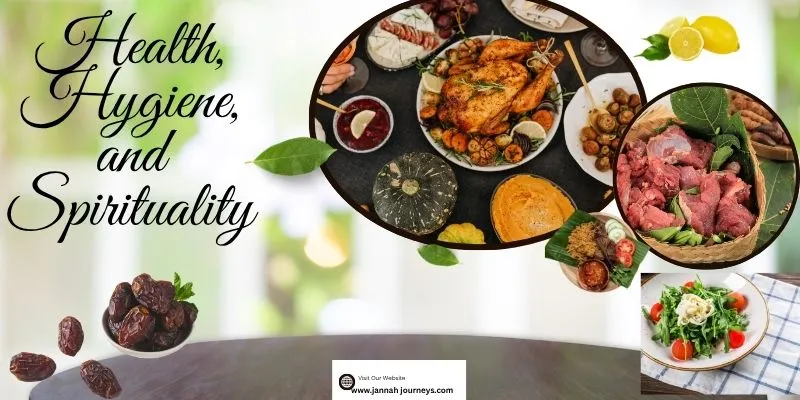
Health, Hygiene, and Spirituality: The Importance of Halal and Tayyib for a Complete Lifestyle
One of the lesser-discussed benefits of a Halal and healthy living approach is its alignment with modern wellness principles. Tayyib foods—those free from additives, toxins, and harmful ingredients—promote both physical and mental well-being. In fact, many of the guidelines under Islamic dietary laws naturally support a nutritious, balanced diet. Avoiding alcohol, harmful fats, and improperly slaughtered meat helps reduce disease risk and encourages better health outcomes. Thus, adhering to Halal and Tayyib can be seen as an all-encompassing health strategy rooted in divine wisdom.
This harmony between spirituality and health is what makes the Halal lifestyle increasingly appealing to people of all backgrounds. Not only does it offer a way to eat ethically, but it also connects believers to a higher purpose. As awareness grows, the demand for Halal food safety measures is increasing, pushing industries to adopt cleaner, more humane production methods. Whether you’re shopping at a supermarket or dining out, being mindful of Halal food vs Tayyib food can guide you in making better choices. This mindfulness transforms ordinary acts of eating into spiritually enriching experiences.
| Aspect | Halal | Tayyib |
| Definition | Permissible according to Islamic law | Wholesome, pure, clean, and ethical |
| Focus | Legal compliance | Ethical and quality assurance |
| Animal Welfare | Required at slaughter | Required before and during life |
| Ingredients | Free from Haram (e.g., alcohol, pork) | Free from harmful additives and toxins |
| Certification | Often labeled and certified | Rarely labeled, requires informed consumer choice |
| Spiritual Significance | Emphasizes permissibility | Emphasizes purity and wellness |
Key Differences: Halal vs Tayyib (Comparison Table)
Practical Tips for Embracing Halal and Tayyib Today
To adopt a truly Halal and Tayyib lifestyle in modern times, consider the following:
- Read food labels carefully and research brands.
- Choose organic and ethically sourced foods where possible.
- Support local and sustainable Tayyib farming practices.
- Prioritize home-cooked meals using fresh, clean ingredients.
- Verify Halal certification from credible authorities.
Frequently Asked Questions (FAQs)
1. What does Tayyib mean in Islam?
Tayyib refers to anything that is pure, clean, wholesome, and beneficial. In the context of food, it means the food is not just Halal (lawful) but also good for health and ethically sourced.
2. How is Halal different from Tayyib?
Halal refers to what is allowed in Islam, while Tayyib highlights good quality, cleanliness, and ethical practices
3. Why is the concept of Halal and Tayyib important today?
In a time of mass production and unethical food practices, Halal and Tayyib ensure that what we consume aligns with Islamic ethics, promotes health, and respects the environment.
4. Are all Halal-certified products also Tayyib?
Not necessarily. While Halal certification ensures compliance with Islamic law, it does not always guarantee the product is ethically sourced, organic, or free from harmful additives.
5. How can I find Tayyib products in my area?
Look for local farms, organic stores, and brands that disclose their sourcing and production practices. Online directories and community groups can also be helpful.
Final Thoughts
The importance of Halal and Tayyib in modern times cannot be overstated. As consumers grow more conscious of their health, environment, and spiritual well-being, returning to these divine principles offers a path of integrity and wellness. Halal and Tayyib are not just dietary rules—they are a lifestyle that fosters gratitude, responsibility, and ethical living. By being more informed and intentional in our choices, we don’t just nourish our bodies—we uplift our communities and honor our Creator. Let’s embrace this beautiful balance of faith and function in everything we eat.
7


