In today’s fast-paced world, finding foods that nurture both our physical health and spiritual well-being can seem like an elusive quest. But what if the answer has already been revealed in the pages of the Qur’an, offering us a divine guide to holistic nutrition and spiritual growth? The foods mentioned in the Qur’an, known as Quranic foods, are not only nutritionally rich but also carry deep spiritual significance. As you explore this list of divine blessings, you’ll uncover how these foods can enrich your diet, boost your health, and elevate your spiritual connection. Let’s embark on a journey through the Qur’an to rediscover these sacred foods and learn how to integrate them into our modern lives.
What are Quranic Foods?
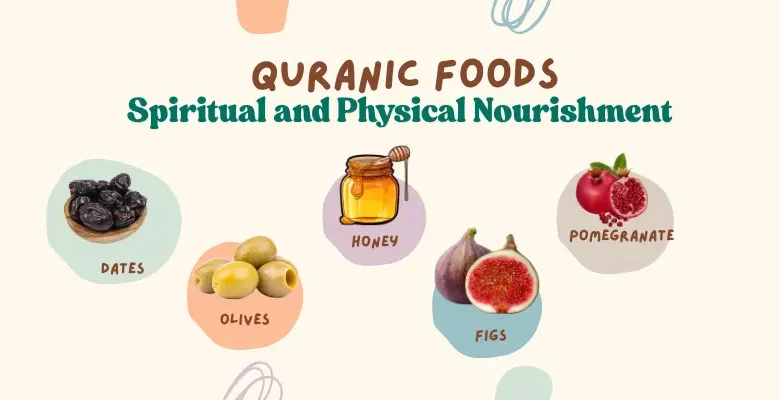
Quranic foods are the foods explicitly mentioned in the Qur’an, each chosen by Allah as a source of nourishment and a symbol of divine care for humanity. These foods include dates, olives, honey, figs, pomegranates, grapes, and milk, among others. More than just sustenance, these foods serve as spiritual touchstones, reminding us of the blessings that surround us and the importance of gratitude and moderation in our lives. Modern research has shown that these foods are powerhouses of nutrition, packed with vitamins, minerals, and antioxidants that support health and longevity. When we integrate Quranic foods into our daily routines, we’re not only feeding our bodies but also nurturing our souls.
The Qur’an encourages us to reflect on the foods we consume and see them as part of a holistic, mindful lifestyle. From the Prophet Muhammad ﷺ’s practice of consuming these foods to the countless health benefits they provide, Quranic foods stand as timeless beacons of wellness. Incorporating them into your meals can transform your eating habits into an act of worship, aligning your diet with divine wisdom. Moreover, these foods have been celebrated in Islamic culture for centuries, showing us how the sacred and the practical can coexist beautifully. Let’s explore each of these Quranic foods and see how they can bring balance and blessings to your life.
List of Quranic Foods and Their Benefits
Here’s a closer look at the most cherished Quranic foods, their spiritual significance, and their impressive health benefits:
| Quranic Food | Spiritual Significance | Health Benefits |
| Dates | Sunnah food; symbol of nourishment | Energy-boosting, rich in fiber, potassium, and antioxidants |
| Olives | Mentioned as a blessed tree | Healthy fats, anti-inflammatory, heart-healthy |
| Honey | Healing properties in the Qur’an | Antibacterial, antioxidant, soothing for digestion |
| Figs | Symbol of blessings | High in fiber, good for gut health |
| Pomegranates | Symbol of paradise | Antioxidants, heart-healthy, immune-boosting |
| Grapes | Mentioned as a divine fruit | Hydrating, rich in vitamins, natural energy source |
| Milk and Water | Purity and nourishment in daily life | Hydration, calcium-rich, digestive health |
1. Dates: The Nourishing Sunnah Superfood
Dates are celebrated in the Qur’an for their role in sustaining health and offering quick energy. When Maryam (Mary) was in labor, Allah instructed her to shake the trunk of a date palm so she could eat the dates and find relief (Surah Maryam 19:25). Packed with fiber, potassium, and natural sugars, dates are a natural energy booster, making them ideal for breaking fasts during Ramadan. Beyond their nutritional value, dates hold spiritual significance as a prophetic food beloved by the Prophet Muhammad ﷺ. Including dates in your diet is a beautiful way to connect with tradition and harness their benefits for modern living.
Incorporating dates into your meals can be both simple and delicious. Add chopped dates to your morning oatmeal or blend them into smoothies for a naturally sweet energy lift. You can also enjoy them as a quick snack or stuff them with nuts for added protein. Dates’ natural sweetness can even replace refined sugar in baking, supporting a healthier, more mindful approach to eating. As you savor their rich flavor, remember the spiritual blessing behind every bite — a divine reminder of nourishment and abundance.
2. Olives: A Blessed Tree in the Qur’an
The olive tree is mentioned in the Qur’an as a symbol of light and guidance (Surah An-Nur 24:35). Olives and olive oil are praised for their immense benefits and versatility in culinary traditions. Rich in heart-healthy monounsaturated fats and powerful antioxidants, olives protect against inflammation and support cardiovascular health. The Prophet Muhammad ﷺ advised using olive oil not just for consumption but also for healing and anointing, reinforcing its dual role in spiritual and physical well-being. By incorporating olives into your meals, you’re embracing a divine prescription for vitality and longevity.
You can enjoy the blessings of olives by adding them to salads, using olive oil in your cooking, or simply snacking on them with whole-grain bread. Their rich, savory taste enhances a variety of dishes, from Mediterranean salads to Middle Eastern spreads like hummus. Olive oil can also be used as a natural skin moisturizer, reflecting the Prophet’s ﷺ holistic approach to well-being. Choose extra-virgin olive oil for the highest antioxidant content and authentic flavor. Let the blessed olive tree be a source of both nourishment and spiritual grounding in your kitchen.
3. Honey: Nature’s Healing Elixir
In the Qur’an, honey is described as a source of healing and a sign of divine mercy (Surah An-Nahl 16:69). Its antibacterial and antioxidant properties make it a natural remedy for digestive issues, sore throats, and overall immune health. Honey’s spiritual significance lies in its purity and the lessons it imparts about working harmoniously with nature. Consuming honey mindfully allows you to reflect on the meticulous work of bees and the barakah (blessing) inherent in this sacred food. Incorporating honey into your diet can be as simple as adding a spoonful to your tea or using it as a natural sweetener.
Honey can also be drizzled over yogurt, used as a marinade for meats, or incorporated into dressings for a touch of natural sweetness. When purchasing honey, look for raw, unfiltered varieties to ensure you’re getting the most nutrients and beneficial enzymes. Beyond its physical benefits, honey’s mention in the Qur’an invites us to find balance and gratitude in every drop. Let this golden nectar remind you of the healing power of nature and the divine blessings that nourish us from within.
4. Figs: A Symbol of Abundance and Gut Health
Figs are honored in the Qur’an in Surah At-Tin (95:1), where they symbolize spiritual nourishment and abundance. Rich in fiber, figs are excellent for supporting gut health, aiding digestion, and promoting a feeling of fullness. They’re also packed with essential vitamins and minerals like potassium, magnesium, and calcium. In Islamic culture, figs represent a food of paradise, offering both physical and spiritual blessings. Eating figs mindfully encourages a holistic approach to wellness, balancing body and soul.
You can enjoy figs fresh or dried, as a sweet snack or as a topping for salads and yogurt bowls. Their natural sweetness makes them an ideal alternative to refined sugar in baking. Figs also pair beautifully with cheese and nuts, creating a balanced and nourishing snack. Their unique texture and flavor elevate any dish, bringing a touch of divine abundance to your meals. As you savor figs, reflect on the Qur’anic message of balance, gratitude, and the nurturing power of Allah’s creations.
5. Pomegranates: The Fruit of Paradise
Pomegranates are described in the Qur’an as fruits of paradise (Surah Ar-Rahman 55:68), symbolizing blessings, fertility, and abundance. Rich in antioxidants, pomegranates are a powerful ally in protecting heart health and supporting the immune system. Their vibrant seeds are packed with vitamins C and K, adding a nutritional punch to any meal. In addition to their physical benefits, pomegranates remind us of the divine promise of paradise and the bountiful rewards that await the faithful. Including pomegranates in your diet is a delicious way to honor this promise while nourishing your body.
Sprinkle pomegranate seeds over salads, oatmeal, or yogurt bowls for a pop of color and nutrition. You can also blend them into smoothies or enjoy their juice as a refreshing, antioxidant-rich drink. Pomegranates add a delightful crunch and sweetness to both sweet and savory dishes. Let each bite of these jewel-like seeds be a reminder of Allah’s blessings and the spiritual bounty of the Qur’an. By integrating pomegranates into your meals, you’re inviting a taste of paradise into your daily life.
6. Grapes: A Divine Gift of Hydration and Vitality
Grapes are among the fruits praised in the Qur’an, recognized for their juicy sweetness and refreshing qualities (Surah Ya-Sin 36:34). Packed with vitamins, minerals, and hydrating water content, grapes support heart health and provide a natural source of energy. They’re a quick, delicious snack that embodies the Qur’anic principle of consuming what is pure and wholesome. Grapes’ spiritual symbolism encourages us to appreciate the simple, life-giving gifts from Allah. Including grapes in your diet can be as easy as grabbing a bunch as a midday snack or blending them into a fresh juice.
For a more elevated experience, try adding grapes to your cheese boards or pairing them with nuts for a satisfying, nutrient-rich treat. Grapes can also be incorporated into savory dishes, adding a hint of natural sweetness to salads and roasted vegetables. Their versatility and refreshing flavor make them a perfect addition to any balanced diet. As you enjoy grapes, let them remind you of the Qur’anic call to gratitude and mindful consumption. This simple yet powerful fruit offers both physical hydration and spiritual renewal.
7. Milk and Water: Purity and Sustenance in Daily Life
The Qur’an highlights the importance of milk and water as symbols of purity, nourishment, and sustenance (Surah An-Nahl 16:66). Milk is a rich source of calcium and protein, supporting bone health and overall vitality, while water is essential for cleansing, hydration, and spiritual purification. The Prophet Muhammad ﷺ emphasized the blessing of drinking water mindfully and encouraged using milk as a nourishing drink. Together, milk and water represent a balance of physical health and spiritual clarity. By prioritizing these beverages in your daily routine, you’re aligning your diet with the divine wisdom of the Qur’an.
Incorporating milk into your diet can be as simple as enjoying it with dates, as practiced in the Sunnah, or adding it to smoothies and breakfast bowls. Drinking plenty of water throughout the day is a Sunnah practice and a powerful reminder of Allah’s mercy and provision. Keep a reusable water bottle with you as a daily commitment to this sacred habit. By embracing the simplicity of milk and water, you’re honoring the Qur’anic principle of cherishing what is pure and life-giving. Let these humble drinks remind you of the profound connection between faith and wellness.
Conclusion: Embrace the Nourishment of Quranic Foods
Quranic foods offer us more than just nutrition — they are divine gifts that nourish our bodies and elevate our souls. By incorporating these sacred foods into your daily routine, you’re participating in a holistic, faith-driven approach to health and well-being. Whether it’s the natural sweetness of dates, the healing power of honey, or the spiritual reminder in every sip of water, these foods guide us to a more mindful and grateful way of living. Let your meals be a source of spiritual reflection and physical vitality, bridging the timeless teachings of the Qur’an with the needs of modern life. Embrace the blessings of Quranic foods and transform every bite into an act of worship and gratitude.
FAQs About Quranic Foods
Q1: Why are Quranic foods important in Islam?
Quranic foods are important because they are mentioned directly in the Qur’an, highlighting their significance for both spiritual and physical health. These foods are viewed as divine gifts that symbolize Allah’s blessings and serve as reminders of gratitude and moderation. By consuming these foods mindfully, Muslims can strengthen their faith and enjoy their proven nutritional benefits. Additionally, many Quranic foods were part of the Prophet Muhammad ﷺ’s diet, offering a Sunnah-inspired approach to holistic well-being. Incorporating them into daily meals helps align our lifestyle with Islamic teachings and fosters a deeper spiritual connection.
Q2: How can I incorporate Quranic foods into my daily meals?
Incorporating Quranic foods can be as simple as starting your day with dates or using olive oil in your cooking. You can enjoy honey as a natural sweetener for tea or yogurt, or add pomegranate seeds to your salads for a vibrant, nutritious boost. Figs make a great snack or can be added to oatmeal, while grapes are perfect for hydration and natural energy. Milk and water should also be prioritized for their cleansing and nourishing properties. By integrating these foods into your meals, you’re embracing a holistic, faith-inspired approach to wellness.
Q3: Are Quranic foods part of the Sunnah?
Yes! Many Quranic foods are also Sunnah foods that were consumed and recommended by the Prophet Muhammad ﷺ. For example, dates were often eaten to break fasts, and olive oil was used for cooking and anointing. Honey was also used as a healing remedy, showing the Prophet’s ﷺ appreciation for natural, wholesome foods. By following the Sunnah and incorporating these foods into your diet, you’re not only benefiting physically but also strengthening your spiritual practice. It’s a beautiful way to live in harmony with the teachings of Islam.
Q4: Can Quranic foods help with physical health?
Absolutely! Quranic foods are renowned for their nutritional richness and health benefits. Dates provide energy and fiber; olives offer heart-healthy fats and antioxidants; honey supports immune health and digestion. Figs aid in gut health, pomegranates strengthen the heart, and grapes keep you hydrated and refreshed. Milk and water are foundational for overall wellness, supporting strong bones and detoxification. Incorporating these foods into your diet can help boost your vitality, energy, and overall well-being in a natural, faith-centered way.
Q5: Where can I buy high-quality Quranic foods?
You can find many Quranic foods at local grocery stores, specialty Middle Eastern or Islamic markets, and online shops that focus on halal or organic products. Look for organic or raw versions of honey and extra-virgin olive oil to ensure maximum health benefits. Dates and figs are widely available, especially during Ramadan. Pomegranates and grapes are often seasonal but can be sourced fresh or as juices. Supporting businesses that provide ethically sourced, high-quality Quranic foods helps honor the divine blessings of these foods and supports a mindful, sustainable lifestyle.