Married Women Right to Vote: A Forgotten Chapter in the Fight for Equality

Introduction
When we discuss women’s suffrage, the common narrative often centers around the idea of women as a unified group fighting for the right to vote. However, the reality was far more nuanced and complex. A particularly overlooked chapter in this history is the Married Women Right to Vote a struggle that remained largely invisible even as some single or widowed women were granted access to the ballot.
Married women faced unique legal and societal barriers rooted in patriarchal structures that equated marriage with the loss of individual autonomy. This blog delves deep into the lesser-known side of women voting rights history, exploring how the fight for the Married Women Right to Vote reveals broader themes of gender roles, autonomy, and the legal identity of women within the institution of marriage.
The topic is more than historical; it highlights the systematic barriers women have faced based solely on their marital status and serves as a reminder of the continuing need to protect and promote gender equality and the political rights of women today.
The Legal Trap: Marriage and Loss of Identity
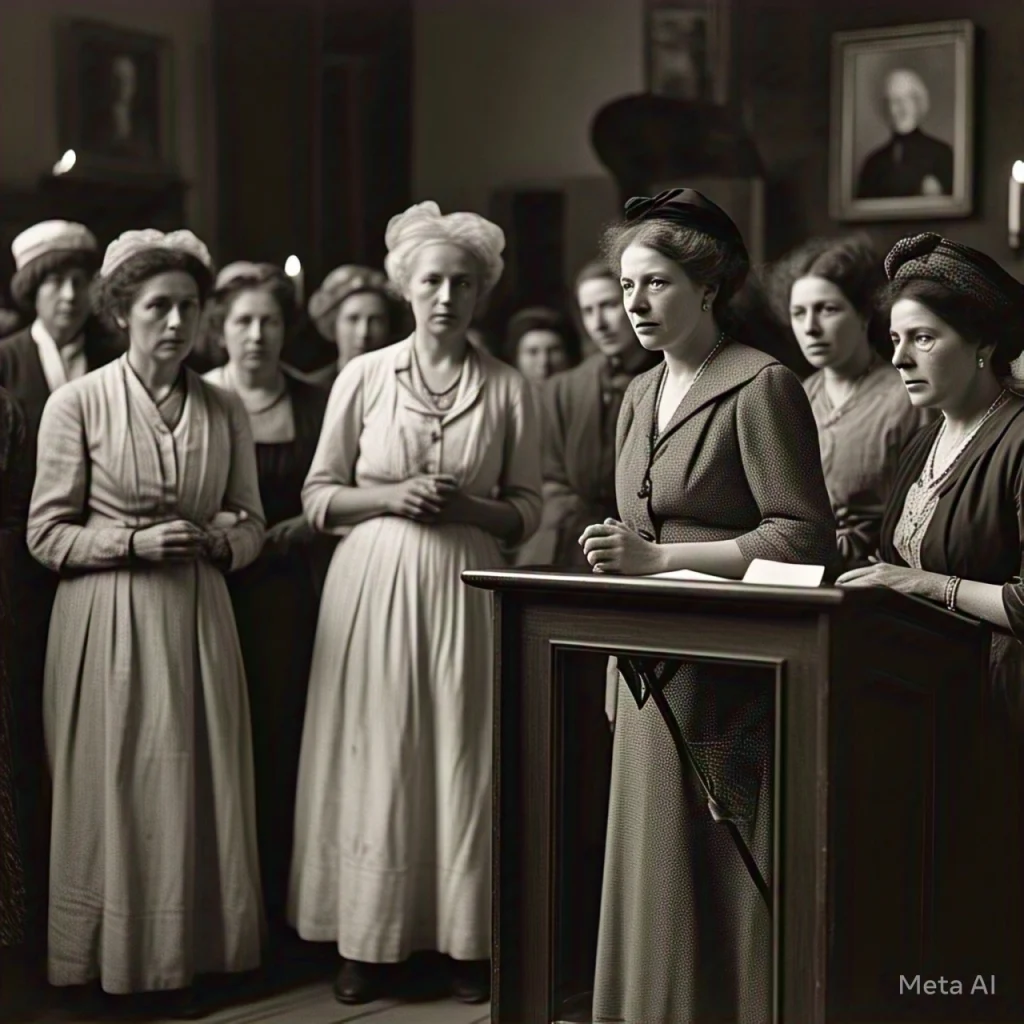
In many Western legal systems throughout the 18th and 19th centuries, marriage wasn’t merely a union between two individuals—it was a legal contract that effectively erased the woman’s independent identity. This dynamic was rooted in the English legal doctrine of coverture, a principle stating that a married woman’s legal rights and obligations were absorbed by her husband. Under coverture, a woman could not own property, enter into contracts, or earn a salary in her own name. As a result, the push for the Married Women Right to Vote wasn’t just about political representation; it was a radical challenge to the very foundations of legal and social norms that denied married women personhood and autonomy.
Under coverture:
- A married woman could not own property in her own name.
- She could not enter into contracts or earn income independently.
- Most significantly, she was not considered an individual citizen with her own political voice.
This meant that even if a country introduced women’s suffrage, it often only applied to unmarried women or widows, who were still considered independent entities under the law. Married women, on the other hand, were legally viewed as dependents, similar to children.
In countries like the United Kingdom, Australia, and the United States, this legal concept contributed heavily to married women’s exclusion from early voting reforms and slowed progress toward full married women empowerment.
Suffrage Movements and Their Limitations
Although the women’s suffrage movement marked a groundbreaking push for political equality, it was not without its internal class and gender biases. Many of the early suffrage laws were constrained by property qualifications, which disproportionately impacted married women. Since property ownership was typically registered under the husband’s name, married women were often automatically excluded from voting in property-based systems. This systemic barrier created a major roadblock in the fight for the Married Women Right to Vote, revealing how intersecting issues of class, legal identity, and gender roles shaped access to political power even within the women’s suffrage movement itself.
Let’s take a few examples:
- United Kingdom: In 1918, the Representation of the People Act granted voting rights to women over 30 who met certain property qualifications. However, these qualifications mostly excluded married women who did not own property in their name. It wasn’t until 1928 that women gained equal voting rights with men, allowing all women over 21, regardless of marital status, to vote.
- United States: The 19th Amendment was passed in 1920, granting women the constitutional right to vote. Yet, the amendment didn’t erase state-level obstacles such as literacy tests, poll taxes, and voter suppression tactics, which often targeted married women, especially women of color, immigrants, and those in rural areas.
- Australia: Women gained voting rights in the early 20th century, but Aboriginal women (many of whom were married) were still denied the vote until 1962.
This patchy progress throughout women voting rights history highlights the exclusionary tactics used even within a supposedly inclusive movement.
The Double Standards
At the heart of this issue lies a disturbing double standard: society believed that a married woman’s political opinion would either mirror her husband’s or be influenced by him, rendering her vote unnecessary or even dangerous.
Some of the arguments used to deny married women the right to vote included:
- Voting could cause domestic conflict within the home.
- Women were believed to be too emotional or uneducated to make rational political decisions.
- A household needed only one political representative, and that was the husband.
These views not only stripped women of their political voice but also reinforced gender stereotypes that confined women to domestic roles. The idea that a woman’s role was in the home, and a man’s in politics, was used to justify ongoing exclusion from the Married Women Right to Vote.
This ideological framework affected not just voting rights but also women’s access to education, employment, and public leadership. It created a ripple effect of disenfranchisement that took decades to undo—and continues to affect the landscape of married women empowerment today.
The Modern Relevance
In today’s world, the idea of denying a woman the right to vote because she’s married seems unthinkable. Yet, this was a legal reality for generations of women across the globe. By understanding these historical injustices, we gain perspective on:
- How deeply rooted gender inequality is in legal and political systems.
- Why it’s critical to educate society about political rights of women and how fragile those rights can be.
- How the struggles of past generations continue to shape today’s fight for equality.
Moreover, even now, many women around the world face indirect barriers to voting, such as:
- Lack of identification or documentation (especially in rural or traditional communities).
- Intimidation or influence by male family members.
- Cultural or religious norms that discourage women’s political involvement.
This makes it crucial to view the Married Women Right to Vote not as a resolved issue of the past, but as part of an ongoing commitment to safeguard inclusive democratic participation.
Empowerment Through Awareness
The history of married women right to vote is not just a footnote in the story of democracy; it’s a chapter that teaches us the importance of legal identity, individual agency, and collective action. Raising awareness of these historical facts helps:
- Encourage more inclusive education about women voting rights history.
- Inspire women to engage in civic duties with confidence and knowledge.
- Empower younger generations to challenge any form of systemic discrimination.
Understanding that married women were once systematically silenced should strengthen our resolve to never let that happen again in any form. The struggle for the Married Women Right to Vote is a reminder of the power of visibility, resistance, and unity.
Final Thoughts
The right to vote is more than a political act; it is a symbol of recognition, identity, and autonomy. For married women, earning this right was not just about casting a ballot; it was about being seen as equal citizens in the eyes of the law.
Their battle for the Married Women Right to Vote reminds us that equality is rarely handed over easily; it is won through struggle, persistence, and solidarity. As we celebrate the progress made, let us also remain vigilant and committed to ensuring no woman—married or otherwise—is ever denied her voice again.
Enjoyed this post? Explore more empowering stories and historical insights at https://jannahjourneys.com and help us continue the mission of educating and uplifting women across the world.