

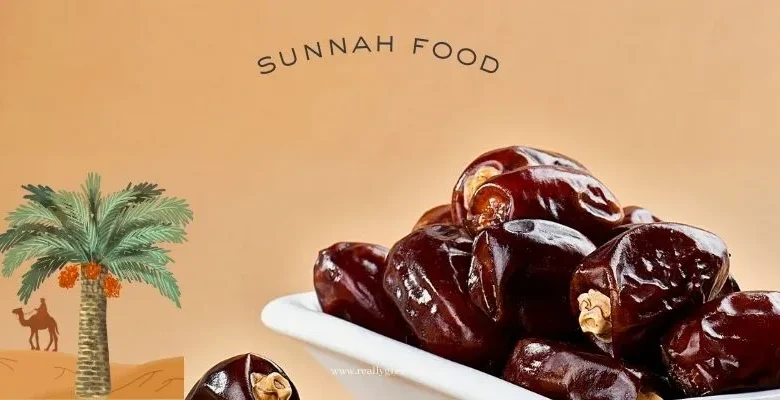
Few foods hold as much spiritual, nutritional, and cultural significance as dates. From the ancient traditions of Prophet Muhammad – peace be upon him – to modern superfood lists, dates continue to nourish both the body and soul. Whether you’re observing Ramadan or seeking healthier alternatives to refined sugar, understanding the multifaceted benefits of dates can deepen your appreciation for this blessed fruit. In this post, we explore how dates fit into Prophetic traditions, Islamic teachings, and the modern health narrative. Read on to uncover why dates are much more than just a sweet treat.
Dates in Islam: A Sacred Sunnah Food
Dates hold a revered place in Islamic tradition, often mentioned in the Qur’an and Hadith. As a staple of the Prophet Muhammad’s diet, they are considered a quintessential Sunnah food that carries both physical and spiritual benefits. The practice of breaking fast with dates is deeply rooted in Islamic teachings, symbolizing simplicity and gratitude. References to dates in the Qur’an emphasize their importance as sustenance and healing. Following these practices today revives Prophetic traditions while fostering mindful eating.
In Hadith literature, the Prophet (PBUH) is narrated to have said, “He who eats seven Ajwa dates every morning will not be affected by poison or magic on that day.” This highlights both the spiritual protection and physical health benefits attributed to this variety. The Prophet’s diet emphasized natural, whole foods, making dates a powerful symbol of clean eating in modern times. Islamic teachings on food encourage moderation, gratitude, and the consumption of what is lawful and wholesome. Thus, eating dates is more than a habit; it is an act of devotion.
Health Benefits of Dates: Nature’s Nutritional Powerhouse
Modern science confirms what ancient traditions have long held true: dates are packed with health-enhancing nutrients. Rich in fiber, vitamins, and minerals, dates are celebrated for their digestive health, ability to promote heart wellness, and their function as a natural energy source. Their low glycemic index makes them a smart choice for those monitoring blood sugar levels. Dates are also a top pick among high-fiber fruits, aiding in regular bowel movements and improved gut health.
The antioxidants found in dates, including flavonoids and phenolic acid, contribute to reducing inflammation and boosting immune function. In pregnancy, dates can ease late-term labor and improve maternal outcomes. Their natural sweetness makes them an excellent sugar substitute in desserts and smoothies, helping to reduce refined sugar intake. The nutritional value of dates is particularly beneficial for athletes and active individuals needing quick energy. Whether eaten alone or added to dishes, dates provide sustained vitality without chemical additives.
Cultural and Global Relevance of Dates
From Ajwa dates from Madinah to Palestinian Medjool dates, each variety of date fruit tells a unique story of geography, culture, and devotion. Dates are traditionally gifted during Ramadan and Eid as part of Islamic food gifts, symbolizing blessings and generosity. The history of dates in the Middle East goes back thousands of years, with archaeological evidence showcasing their central role in trade and diet. These fruits were essential in desert climates due to their long shelf life and dense nutrition. Today, their global appeal has turned dates into a culinary treasure enjoyed worldwide.

Here are some common types of dates fruit and their characteristics:
- Ajwa Dates: Small, dark, and revered for their spiritual significance.
- Medjool Dates: Large, soft, and intensely sweet – perfect for snacking.
- Deglet Noor: Semi-dry, ideal for cooking and baking.
- Barhi: Soft and syrupy, often eaten fresh.
- Zahidi: Firm with a nutty taste, great for stuffing.
Common Types of Dates and Their Benefits
| Type of Date | Characteristics | Benefits |
| Ajwa | Small, dark, with spiritual and medicinal value | Heart health, anti-inflammatory, spiritual protection |
| Medjool | Large, soft, intensely sweet | Natural energy boost, high in potassium and magnesium |
| Deglet Noor | Semi-dry, mildly sweet, firm texture | Great for cooking, high in fiber, low in fat |
| Barhi | Soft, syrupy, often eaten fresh | Rich in moisture and simple sugars, refreshing, pairs well with cheeses |
| Zahidi | Firm, nutty, lower sugar content | Ideal for stuffing, high in fiber and iron |
The spread of dates across cultures reflects their universal appeal. Their presence during Ramadan dates tradition highlights their role not only in religious observance but in family bonding and community celebration. As exports of Middle Eastern dates grow, so does their significance in international cuisine and health-conscious lifestyles. Buying Medjool dates in Islam isn’t just about taste – it’s about connecting with heritage. These delicious fruits continue to bridge cultures while anchoring us in sacred traditions.
Why You Should Incorporate Dates into Your Daily Routine
Whether you’re following the Prophet Muhammad’s diet or simply aiming to eat healthier, dates make an excellent addition to your meals. Their versatility makes them suitable for breakfast, desserts, or post-workout snacks. If you’re pregnant, consider dates for their labor-easing properties; if you’re diabetic, consult a doctor about moderate consumption for their low glycemic impact. Looking to cut refined sugar? Use dates as natural sweeteners in baking or smoothies.
To reap the maximum benefits:
- Choose Ajwa dates for spiritual and medicinal use
- Eat 2-3 Medjool dates for a quick energy boost
- Pair dates with nuts for a balanced snack
- Use blended dates in baking as a sugar substitute
- Enjoy dates with yogurt for a fiber-rich breakfast
Incorporating dates into your routine helps align your diet with both Islamic teachings on food and modern wellness advice. With their deep-rooted presence in Qur’an and Hadith, and the proven health benefits of dates, they are truly a divine gift for every Muslim household. By embracing dates in daily life, you’re not only nourishing your body but also reviving timeless Prophetic traditions.
Conclusion:
Dates — A Sacred Superfood Dates are far more than a traditional treat – they are a legacy of faith, a powerhouse of nutrition, and a symbol of cultural continuity. Whether consumed during Ramadan, gifted as part of Islamic celebrations, or added to health-focused meals, dates represent a confluence of spirituality, science, and tradition. Let this humble fruit be a daily reminder of the beauty of Sunnah foods and the wisdom found in Prophetic traditions. Embrace the gift of dates, and enrich both your health and your Imaan. For a deeper connection to Islamic teachings and a healthier lifestyle, let dates be a staple on your plate.


