


Sharing a meal with others is a truly meaningful experience. In Islam, the simple act of eating together is filled with spiritual depth and divine reward. The barakah of eating together is not just a feel-good notion but a deeply rooted practice in the life of Prophet Muhammad (peace be upon him). From authentic Hadith about eating together to the Sunnah of eating together, Islamic teachings highlight how communal meals invite blessings and strengthen social bonds. Keep reading to discover how this simple practice holds transformative power for both individual spirituality and the collective Islamic lifestyle.
Islamic teachings on sharing food emphasize that blessings increase when meals are shared. The Prophet Muhammad (peace be upon him) once told his companions, “Eat together and do not eat separately, for the blessing is in being together” (Ibn Majah 3287). This Hadith underscores how unity in Islam is reinforced through daily acts, such as eating. By practicing the Islamic etiquette of meals, including saying Bismillah and eating from what is near, one not only earns spiritual rewards but also enhances the overall experience of community living. The meaning is clear: eating together feeds both our bodies and our hearts.
The Spiritual and Social Blessings of Eating Together
The blessings of eating together in Islam go far beyond satiety. When Muslims sit together for a meal, they engage in an act that fosters gratitude, humility, and brotherhood. According to scholars, one of the main reasons for barakah in food is mentioning Allah’s name before eating, drinking and sharing meals without separating from others. This practice increases mutual love, understanding, and spiritual consciousness among participants. In our busy lives today, these moments are precious and remind us of the true spirit of Islamic life.
Here are some of the spiritual benefits of eating together:
- It enhances gratitude and contentment.
- It instills humility and reduces arrogance.
- It builds unity and brotherhood.
- It allows the sharing of knowledge and blessings.
- It promotes the Sunnah of the Prophet (PBUH).
From Sahih Muslim to Sunan Abi Dawood, numerous ahadith confirm the Prophet Muhammad’s eating habits—he would always prefer to eat in the company of others. He also taught that even if food seems insufficient, it will suffice when shared. This is what barakah means—having little, but it feels like more when people come together with love
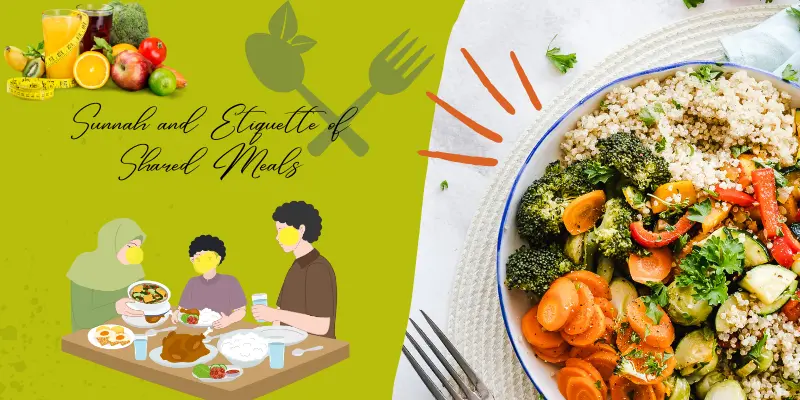
The Sunnah, Etiquette, and the Barakah of Eating Together
The Sunnah of eating together goes hand-in-hand with specific etiquettes that elevate a meal from mere consumption to an act of worship. The barakah of eating together is closely linked to these practices taught by Prophet Muhammad (peace be upon him). He advised his companions not to eat from the middle of the dish but from what is directly in front of them, as blessings descend upon the center. He also taught us to clean our fingers after eating and not to waste even a small piece of food. These actions may seem minor but carry immense spiritual weight and align with the broader principles of cleanliness, mindfulness, and respect.
To adopt Islamic etiquette of meals:
- Always begin with “Bismillah.”
- Eat with the right hand.
- Eat from what is nearest to you.
- Avoid wasting food.
- Share meals, especially during gatherings.
Following these practices not only brings spiritual benefits of eating together but also serves as a constant reminder of the importance of intentional living in Islam. These etiquettes make meals more than nourishment—they become a daily ritual of gratitude and communal harmony.
Eating Together: A Pillar of Islamic Community Life
The importance of community in Islam cannot be overstated, and eating together is one of its strongest expressions. Meals provide an organic setting for discussion, advice, and emotional bonding. From Ramadan iftars to everyday dinners, these gatherings serve as informal yet powerful institutions for social cohesion. They allow the elderly to share wisdom, the young to learn manners, and everyone to feel seen and included.
Communal eating also promotes:
| Aspect | Benefit |
| Unity | Builds love and brotherhood |
| Equity | Encourages sharing and fairness |
| Mindfulness | Reduces waste and fosters gratitude |
| Communication | Opens avenues for dialogue |
| Spiritual Growth | Fulfills Sunnah and brings barakah |
Whether it’s within families, mosques, or wider communities, shared meals are a timeless tradition in Islamic lifestyle and food traditions. They nurture emotional wellness, foster humility, and create environments ripe for learning and spiritual growth.
FAQs:
Q1: What is the main Hadith about eating together? A1: The Prophet Muhammad (PBUH) said, “Eat together and do not eat separately, for the blessing is in being together.” (Ibn Majah 3287)
Q2: How does eating together bring barakah? A2: Sharing meals increases blessings by promoting unity, gratitude, and the remembrance of Allah.
Q3: What are some Sunnah practices when eating? A3: Say “Bismillah,” eat with the right hand, eat from what is nearest, and do not waste food.
Q4: Is communal eating part of the Islamic lifestyle? A4: Yes, it is a key aspect that reflects the values of unity, equality, and spirituality in Islam.
Q5: How can families benefit from eating together? A5: It strengthens family bonds, improves communication, and teaches children Islamic manners.
Conclusion:
In short, eating together brings many blessings—it lifts our spirit, strengthens relationships, and brings comfort to the heart. By embracing this beautiful Sunnah, Muslims can transform an everyday activity into a source of divine blessings and communal strength. Incorporating the Islamic teachings on sharing food into our daily lives allows us to live more mindfully, connect more deeply, and grow closer to Allah.


