

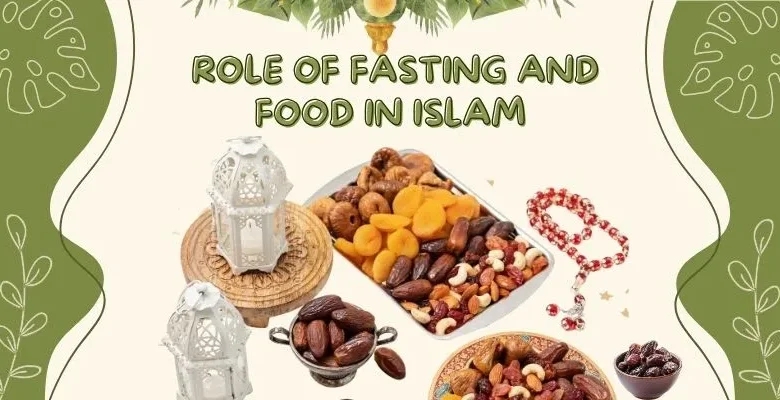
Fasting is one of the most profound spiritual practices in Islam, intertwining deeply with the act of eating and how Muslims approach food. Whether you are observing Ramadan fasting or engaging in voluntary fasts throughout the year, the practice is more than simply abstaining from food and drink—it is a journey toward spiritual growth, physical well-being, and social compassion. This blog explores the Role of Fasting and Food in Islam, shedding light on its deeper wisdom and offering practical advice to enrich your experience.
As you read on, you’ll discover how mindful eating, gratitude, and community spirit elevate fasting from a ritual to a transformative lifestyle. Let’s explore how fasting and food together nurture both body and soul in the Islamic tradition.
Spiritual Benefits of Fasting
Fasting in Islam serves as a powerful means of spiritual purification. By abstaining from food, drink, and worldly distractions, Muslims create space for reflection, gratitude, and connection with Allah. The month of Ramadan fasting in particular is an annual spiritual retreat where believers seek forgiveness, strengthen their faith, and cultivate humility.
Besides Ramadan, Muslims can also do voluntary fasts on days like Mondays and Thursdays, or during the middle of the Islamic month (13th, 14th, and 15th days of the lunar calendar). These practices serve to maintain spiritual discipline throughout the year. Fasting teaches self-discipline, helping Muslims control their desires and improve character. It instills empathy for the poor, as going without food offers firsthand insight into hunger and deprivation. This spiritual dimension ensures that fasting is not merely a ritual but a holistic act of devotion.
Physical Benefits of Fasting
In addition to its spiritual rewards, fasting offers remarkable physical benefits. Scientific studies show that intermittent fasting can improve metabolism, promote cellular repair, and support weight management. For Muslims, the balance of suhoor and iftar helps regulate eating patterns, which can foster healthier digestion and better energy levels. Suhoor, the pre-dawn meal, provides essential nutrients to sustain energy during the day. Meanwhile, breaking the fast at iftar replenishes the body without overburdening it.
The Prophet Muhammad (peace be upon him) emphasized moderation in eating, a principle that aligns with modern nutritional wisdom. Overeating, especially during iftar, can negate the health benefits of fasting. Instead, a balanced approach—emphasizing halal and tayyib (pure and wholesome) foods—nurtures both body and soul. Fasting thus becomes an opportunity to reset eating habits and embrace a more mindful approach to nourishment.
Islam strongly values eating good quality food and making sure it is prepared in an ethical way.. The concepts of halal food and tayyib food ensure that what Muslims consume is lawful, ethical, and beneficial. The Prophet’s guidance on food teaches the importance of cleanliness, gratitude, and sharing. According to the Sunnah of eating, Muslims are encouraged to start meals with “Bismillah” (In the name of Allah), eat with the right hand, and avoid extravagance. These practices foster mindfulness and respect for the blessings of sustenance.
Good manners in Islam also teach us to be thankful for our food and to eat with care and attention. By eating slowly and appreciating each bite, Muslims develop a deeper connection with their food and the One who provides it. The act of eating thus becomes a form of worship, transforming daily meals into opportunities for spiritual reflection. This approach enhances overall well-being and nurtures a conscious relationship with food.
Connecting Fasting & Food
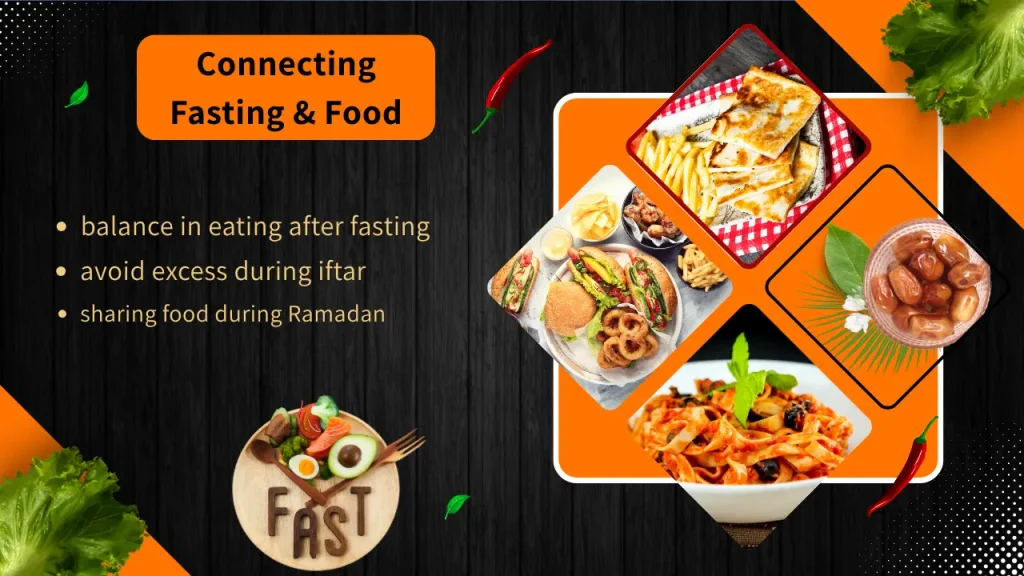
The practices of fasting and eating in Islam are deeply interconnected. The importance of suhoor lies in its role as a blessed meal that equips Muslims with strength and resilience for the day ahead. Skipping it is discouraged, as the Prophet (peace be upon him) said, “Partake in suhoor, for there is a blessing in it.” On the other hand, the etiquette of breaking the fast encourages starting with dates and water, followed by a modest meal. This promotes a gradual transition back to nourishment, respecting the body’s needs.
Maintaining balance in eating after fasting is crucial to reap the full benefits of the fast. Muslims are advised to avoid excess during iftar, focusing instead on nutritious and satisfying foods. The practice of sharing food during Ramadan fosters barakah (divine blessings) and strengthens community bonds. Communal meals at mosques or with family and friends cultivate a sense of unity and joy. In this way, the act of eating after fasting transcends personal fulfillment and becomes a means of spreading goodwill.
| Practice | Purpose |
| Ramadan fasting | Spiritual purification, empathy, self-control |
| Suhoor (pre-dawn meal) | Sustains energy, promotes blessings |
| Iftar (breaking the fast) | Gradual nourishment, mindful eating |
| Voluntary fasting | Maintains spiritual discipline year-round |
| Halal and tayyib food | Ethical, pure nourishment |
| Moderation in eating | Supports physical health, aligns with Sunnah |
| Islamic etiquette of eating | Fosters gratitude, mindfulness, and unity |
| Communal meals and sharing food | Enhances barakah and social bonds |
Summary Table: Key Practices for Fasting and Eating in Islam
FAQs About the Role of Fasting and Food in Islam
Q1: What is the significance of suhoor in fasting?
Suhoor is the pre-dawn meal that provides essential nutrition and energy for the fasting day. It is a blessed practice recommended by the Prophet Muhammad (peace be upon him) to promote physical strength and spiritual reward.
Q2: How does fasting enhance empathy for the poor?
By experiencing hunger firsthand, fasting cultivates compassion and understanding for those who struggle with food insecurity. This empathy often leads to increased charitable giving and social responsibility.
Q3: What foods should be prioritized during iftar?
Muslims are encouraged to break their fast with dates and water, followed by balanced meals rich in halal and tayyib foods, including fruits, vegetables, lean proteins, and whole grains.
Q4: How can one practice moderation in eating during Ramadan?
Planning meals in advance, avoiding processed and sugary foods, and focusing on nutrient-dense ingredients can help maintain moderation and support optimal health during the fasting month.
Q5: Why is sharing food important during Ramadan?
Sharing food fosters barakah and strengthens community ties.It shows the Islamic values of kindness, sharing, and togetherness, which is why eating together is a special part of Ramadan.
Conclusion
In Islam, fasting and food have a deeper meaning than just staying away from eating and drinking.. It is a profound spiritual exercise that fosters self-discipline, empathy, and gratitude. Through mindful practices around suhoor, iftar, and daily eating habits, Muslims cultivate a healthier relationship with food and a deeper connection with their faith.By following Islamic teachings about eating halal, pure food, and not overeating, Muslims can turn their daily meals into a way to worship Allah.. As you incorporate these principles, may your fasting journey be enriched with both spiritual fulfillment and holistic well-being.


